Issue 10 | Jun 23, 2026 | View in browser | Sign up
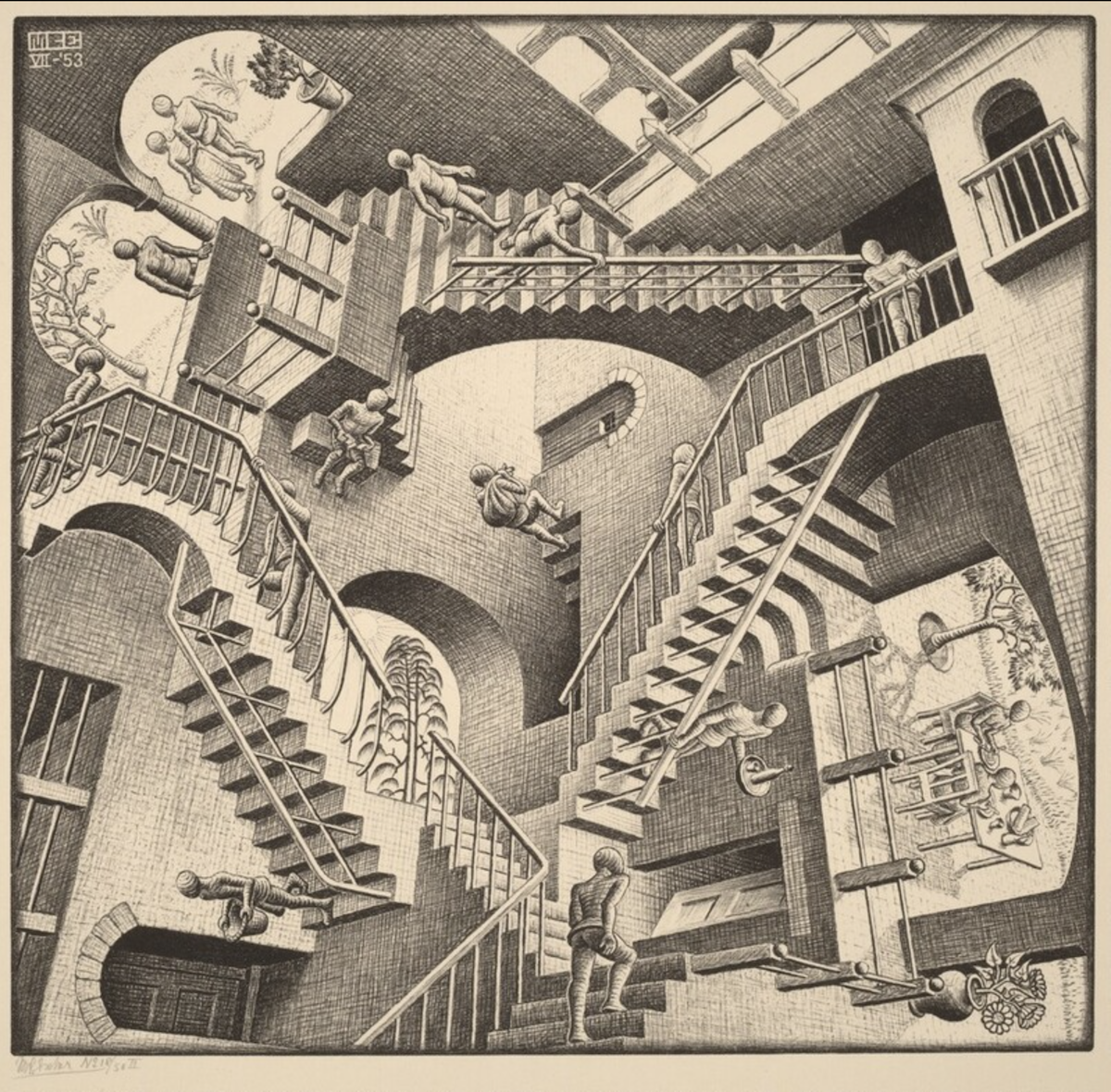
How long can you get away with ignoring reality? For some marketers, the answer is years. A whole career. They ensconce themselves in towers of comforting lies about why buyers buy, and hurl diagrams at all who try to climb up.
It takes a lot to pry them from that tower. It’s one of many reasons marketers are so distrusted.
Sometimes they do their job alright from up there. Some people have the gift of intuitively knowing what people want, and so nevertheless manage to say things that shift buyers’ thinking.
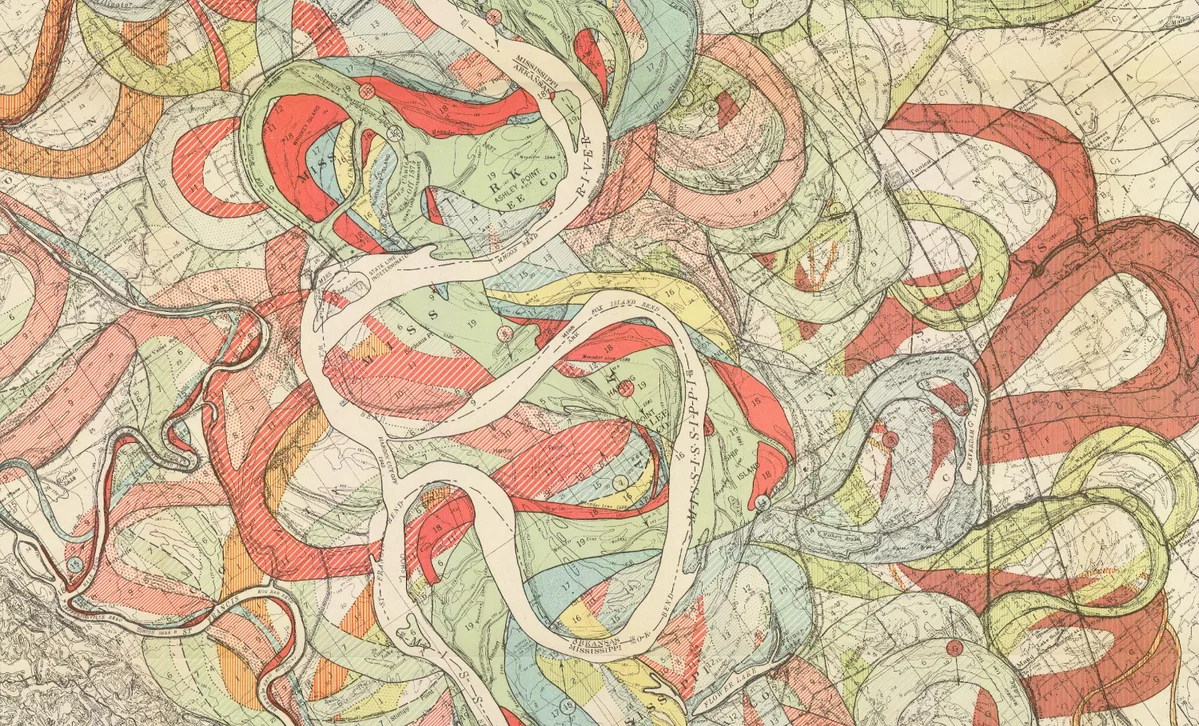
I am not one of those intuitive people. On the pictured spectrum, I’m far to the left. Mr. Consistently Mystified.

You’d think that’s a big disadvantage in marketing, and it sure is. But it’s also the sort of handicap that grows into an advantage if you fret, study, and experiment. It’s made me a nerd of psychology, behavioral economics, and game theory. It has me constantly running “spark tests” where I ask lookalike buyers and credible peers to react to our work before it goes live.
Neither approach is wrong. They just produce very different programs.

I have seen plenty of obelisk operations succeed. The key is that behind what appears like mystical certainty is someone spending years in deep observation. They make oracular pronouncements. But only after taking in the world, in all its light and shadow. So it only looks free of research. It’s just different. The experimentation is more simulated in contemplation.
The challenge is when someone thinks they’re an obelisk marketer but lacks that power to read people. Then, we tussle. Because the tower comes into play.
It goes like this: We bring the marketer verbatim quotes and stories from their buyers, and the marketer shoots us down. To an insecure tower marketer, evidence is a threat. Whereas I naturally assume it will be helpful. I’m climbing up shouting, “We might be wrong” because to me, that’s progress. But they think I’m a backstabbing traitor.
This happened twice last year. One pharma tech executive actually screamed a litany of reasons why our research couldn’t be true for their customer. Dumbfounded, I showed her the company we’d interviewed. And behold, it was a top account that they’d recently lost, and had really wanted. That was awkward. She got quiet. Thereafter, her hatred burned subterranean.
She recently changed companies, and that made me think to write this issue. You can ignore reality. You can stone every messenger. But how long can you ignore the effects of ignoring reality?
A long time, for some marketers. But you have to keep moving organizations, justifying, defending, and fighting a rearguard action against the effects of ignoring reality.
You can have your obelisk. You just have to come down and show us that it works. Otherwise, I'll want to plant a vine. Some people have that deep knowing. Others love to iterate. You have to know yourself, and your way.
And, it turns out, each approach has its place—obelisks should precede vines—which is the topic of the next issue: The vine and the obelisk, part two.
This week: Pick one: Would you prefer positive feedback or negative feedback on your latest campaign? I think that tells you your approach: Edifice (we know) or organism (we seek). Either’s fine. But do tell others, so they know how to work with you.

There's a principle for this: Known Unknown
We respect all that we do not know and never lose sight of the void. In the world of marketing operations, I prefer beanstalks. That's how I manage my fear of the unknown.

Inside Fenwick
An addendum to the main story: Some people really do occupy the right side of that spectrum. They are super-seers. Eve is one. She can listen to a marketer and instantly know their truth and how to frame it. This just happened with a client. We tested it with buyers and it fit like a key. I expressed amazement. Eve just shrugged.

Worth reading
The content distribution sham. Many marketers would rather live in their tower forever.
Enough brand dinners. Create some culture, would ya? A pointed critique of empty gatherings.
A brave new frictionless world.
Want to hire the strongest writer? Ask them to explain the ideas behind their samples. That's it. Strong thinkers thrill at this. Others quail, for they had help.
Good marketing
The Insomnia Index. BCG created an index on CEO worries with this splendid name. Once you know what it’s about, it’s quite memorable.
On AI
This is why AI writes like that.
Ronan Farrow on investigating Sam Altman.
Behold the spam renaissance that nobody wanted.
The “are you sure?” problem: AI never stops changing its mind. Because it only guesses.
Good long reads
Where is the mother? Warning: excessively long. Also warning: triggering. This is the most important thing I’ve read recently, and the idea of “timekeepers” gives me chills. I disagree with plenty—notably, that AI is useful (I believe it’s a wealth transfer scheme and LLMs are a dead end). But Abi Awomosu is a riveting thinker.
Are we living in a simulation?
Treats
We are looking for … a unicorn.