The freelance writer’s resource
Curated by Fenwick. Helping companies write clearly since 2016
Welcome to a literary hideaway where words matter again, thinking is rewarded, and everyone shares your love of writing. These are our best resources for freelance writers.















Latest writings
On writing clearly amidst the melee of work, no matter who’s reviewing.








Resources
Tips for keeping clients happy and reviewers pacified. Below: Templates, prompts, and a borrowable approval process.


Classics
Some of our favorite essays on writing at work.





Refresh on the basics
Answers to questions you maybe felt embarassed to ask, but which everyone else is wondering about too.





Learn to write with uncommon clarity
This course teaches your team to write clearly and confidently. It gives them the fundamentals to ask smarter questions so you can edit less, expect more, and bask in their uncommon clarity.
Books we recommend
Read a much fuller list here.
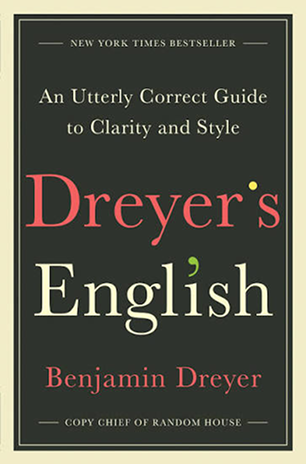
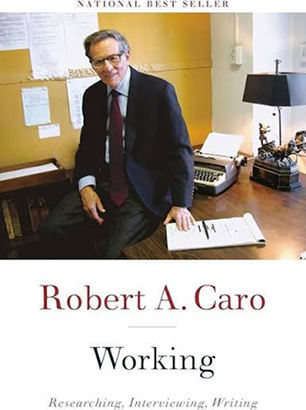
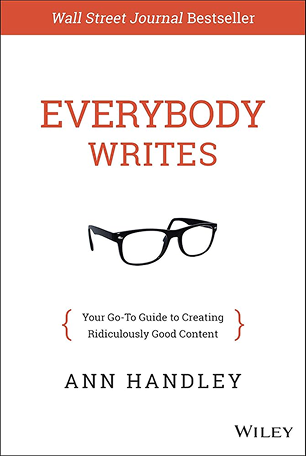
A letter from the editor: To make it as a freelance writer, keep trading up
The challenge with freelance writing is you only ever get as good as the person editing you. And by the nature of freelance, that person usually doesn’t know a lick about writing. I know this because I sold my first article for nothing—$25—out of, I suppose, a desire to to prove I could be paid for words. And through the resulting work I learned there is no crueler taskmaster than someone to whom money is precious.
The first dozen or so articles were about “postcard marketing” for a chap named Jim who’d bought a flyer-printing business. I was helping him rank in search in those early days when Google was dumb and undemanding. Jim would request 2,000 words on a topic like “benefits of postcards” and I’d lay into it with clumsy glee. He’d then heap back truckloads of unwieldy, conflicting, occasionally judgmental feedback. I let too many darlings in, to be sure. But he expected to fit in mentions of every conceivable product, and overstuffed them. The results were word clods which did, despite themselves, rank. It’s easy to disparage that work. But looking back, I do see a spark of something in my writing, and that spark was psychology.
I have always felt drawn to understanding how the mind works, perhaps because I’ve always felt so mystified by people. I suck down armchair psychology like air. And in writing about postcard marketing, and absent any kind of real material, I’d draw upon what I knew about cognitive biases and logical fallacies. To our readers, it was all new; my challenge was to reframe these academic ideas for mainstreet business owners who didn’t know any more about postcard marketing than my client knew about editing or I knew about writing. And so it went.
Eventually I graduated. I’d had about enough of writing these 2,000-word postcard marketing cum psychology treatises and was ready to, if not call myself a writer, say, “I do business-to-business writing,” and start advertising my services to my network. Prior, I’d been a salesperson at a marketing software and had once slipped into a meeting where the marketers were discussing paying someone $10,000 to write a simple report. My rent was pennies and this seemed a princely sum. I thought, “I could do that.” Also, I’d read many of those white papers and knew them to be gobbledegook. So with that eventual goal, I started to charge hundreds of dollars per article, and said goodbye to Jim who felt aggrieved, having thought, I suppose, he had made me. But I didn’t feel that. I’d always had it inside, just needed practice.
The first few customers were people I’d previously worked with, who I caught up with for coffee, and casually mentioned I was writing. The Fenwick sales machine, if there is one, is just getting coffees. I don’t sell what I do. I’m just excited to talk about it where it fits in, and people tell their colleagues. This gets easier with time because before you really know your craft, as I certainly didn’t, you’ll mess up the work and burn a relationship. A client sorta kinda doesn’t like your work and edits it, and likes their version better (psychologically speaking, the endowment effect!). And sometimes they are right. They’re closer to the subject and have more at stake, whereas I, a new writer, was stretching my poetical senses through their articles and sometimes writing florid messes. If you have to explain the writing, it isn’t clear. But I’d defend it nonetheless, and see the client’s screwed up face on a call. Eventually you get your heart broken enough and the clarion call of rent becomes so unbearable that you start to see these defects yourself. You take in the painful edits, and a second brain forms inside your skull. You start to think, “Okay before I submit … Oh, yes, I see. That phrase is really trying. It wants to rhyme, but only a mother could love it.” And you gain the ability to write, then in a following pass, pre-self-edit: “Wait, is that strictly true? Really, that word? That phrase again?”
And so back to my point that there is no crueler taskmaster than someone to whom dollars are precious—they are also damaging editors. For they cannot write. And yet you take them into your head. That early feedback really screwed me up. My skull teemed with false ideas about punctuation or what readers found pleasurable. It wasn’t until I raised my prices that I got into projects where the editor was actually an editor: someone schooled in the craft, perhaps with a degree. Not that a degree is any guarantee. The best writers I have ever met were self-taught and sometimes, a Masters in Literature will screw you up the same way Jim’s edits did me, filling your head with theoretical nonsense. But at least they’ve a better chance.
As my rates climbed, so did the quality of the editing I received. I went from working directly with small business owners, to people with marketing titles, to companies that valued writing enough to have full creative departments full of real writers, who taught me a lot of good. Folks like Kristin Hillery really boosted my spirits, adding ideas and telling me what to do more of. (Finally. I glowed.) But not all editors were benevolent.
One last anecdote, and then I know you have to go. One of the harshest copy chiefs I ever encountered was Anne. She was mirthless and would berate me over not knowing, in one instance, the difference between an en dash and an em dash. I felt rosy red burning shame about that; an injustice of not having a formal training. She made me so mad sometimes. But I sucked it up, took the money, and kept at it long enough to save up and start hiring my own writers, which would turn into Fenwick. Years passed. I set out a listing for a copy chief role. And wouldn’t you know it—Anne applied. We met for coffee, and she said the most wondrous things. She was the real deal. Really of this world. And me, her boss? What was happening? Then she submitted her writing sample and it was so bad, I understood. I was being pranked. After all, who was I to start out on my own? How dare I? Flushed with anger, I never replied. To my great surprise she followed up. She really was representing that awful mess as her finest. Ah. For all her petty tyrannism, it turns out, she couldn’t write either.
Below is an excerpt of Anne’s submission. The second sentence is an exhausting 45 words and features four commas. It is orotund and unclear. By this time, I’d become good enough to spot that.
Automation can also support human interaction. Creating profiles for customers, so every touch online from email to Facebook chat becomes integrated, offers customer service representatives full knowledge of a customer’s issues with a company, as well as any communication with the company, in order to better problem solve for that person. The customer doesn’t have to repeat the complaint they emailed two days ago — the customer service rep can offer focused, supportive problem-solving, because they have full access to that information provided by a back-end automated communication system.
So anyway, if there’s anything to take from my story, it’s that there’s no path through, but through, and maybe you can too. It takes an intrinsic belief in your own eventual value—that you have some inherent, unique taste worth exploring—and I think that’s true. You just need to stick at it until you can charge enough to reach the higher quality editors. We all did it. Just start somewhere, and keep trading up.

Rewild Magazine
An oasis for creatives like you
An honest freelance writing FAQ
The classics are Fiverr and UpWork, though there are many others, like NewsCred, Contently, and elsewhere. Platforms can help you supplement your income. But know that they take a cut, and the best clients tend to be ones where you have a direct relationship with the business.
One of the most in-demand and accessible types of writing is business-to-business, meaning, companies that sell to other companies. Particularly in finance, healthcare, and technology. Writing there requires a good deal of firsthand experience, so the rates are higher.
It’s entirely possible. Rates for writing range but $350-$1,000 for an article is not uncommon in some spaces, particularly business-to-business, where companies write to other companies, where topics are complicated and clear writers are rarer. Start writing, build a portfolio of examples, and get started with a freelancing platform like UpWork or Fivver.
Start writing for your current employer, someone who already knows you. Plenty of people need low-stakes help and by virtue of already working in this space and thinking a lot about that topic, you’re ahead of most other writers. Here’s the catch though: You have to charge. Learn it now or learn it later, but people only value what they pay for. If you must do it for free, at least get a testimonial.