Issue 9 | Jun 9, 2026 | Sign up
Clients are always asking us to improve their existing graphics. “Just make the designs better,” they say, pointing to their website.
As if design were just a dial.
As if, by cranking said dial, we could populate that website with all manner of specious illustration and visual metaphor. As if by adjusting the colors and weights, we could bring their entire company into focus.
Alas. Your external communication is limited by the quality of the soil your brand is planted in. All brands are rooted in something. Offices. Computers. Buildings. Cars. Space. That's the topic your writers and designers can mine for inspiration and analogies. But most startups delegate that work to a careless brand agency that plants it in ... a gooey glob of plastic.

Those carelessly planted brands are stuck in an artificial world devoid of nutrients. It’s a vague, liminal space. Nothing particularly unique. No landforms. No breeze. No rules. No life. Anything that exists, you must scratch from hardpan.
Redesigning these types of graphics “to be better” is harder than starting over, or repotting the brand in something natural. Because whatever we scratch out in this plastic world, the client will dislike; it’ll always look weird because it is there.

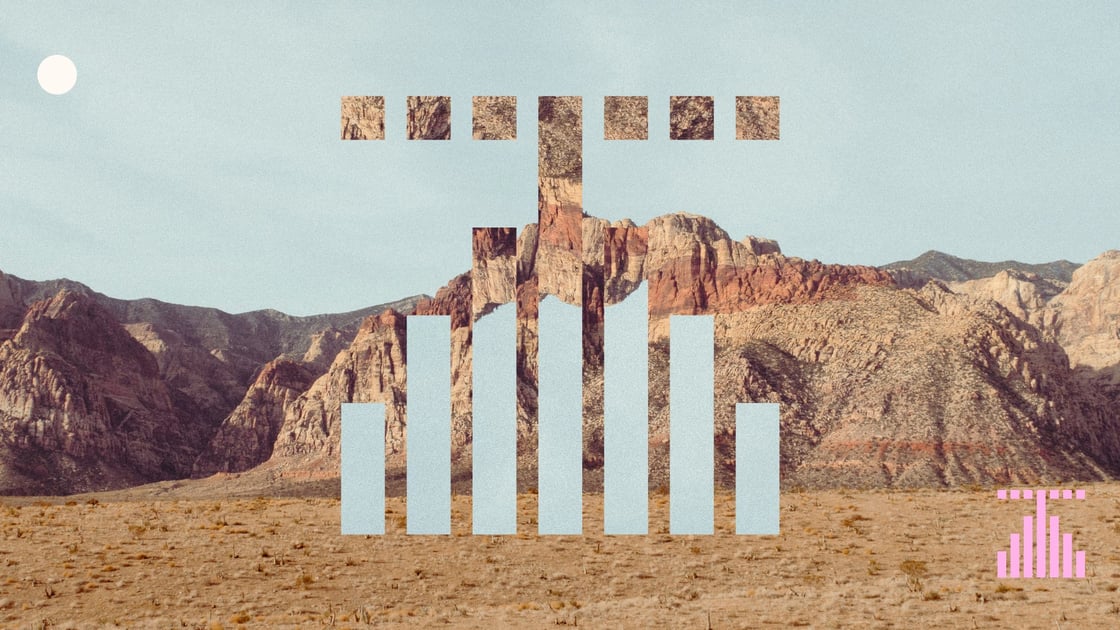
This idea of planting brands came to me during the Fenwick rebrand. Everywhere I look these days, I see beautiful photos which would pair nicely with our glyphs. I look at Peter Lobozzo’s work and think, "Perfect material.” Because the world has become our material. Because we replanted Fenwick in nature.

Which is to say, by rebranding Fenwick, we struck a well in the most bounteous source of photographic material in existence. Now, choosing photos is easy. Visuals flow from them naturally.
Now, anytime a client has a plasticky brand, I ask, what sort of reality can we re-pot these brands into? The client won’t always spring for photoshoots. And it’s expensive and time-consuming to hire a full-time illustrator.
But we can tap into natural phenomena and those repositories of un-staged, non-stock, naturally occurring awe, and apply patterns over them. It's not a complete fix. But it does unblock us to "design things better."

This week: If your company’s visuals feel plasticky, pick a natural source. Just try it for one campaign. I bet your writers and designers find it rejuvenating.
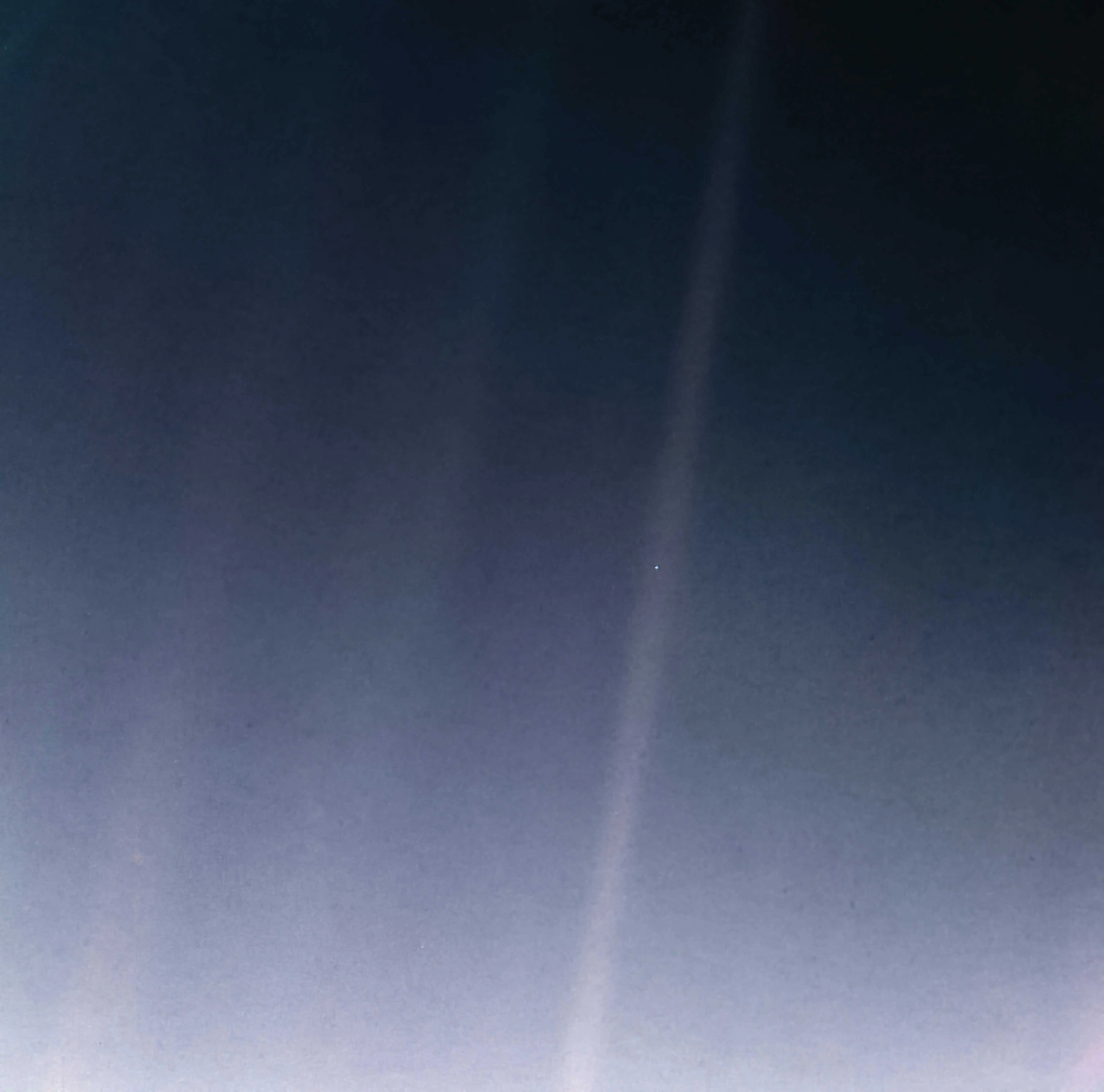
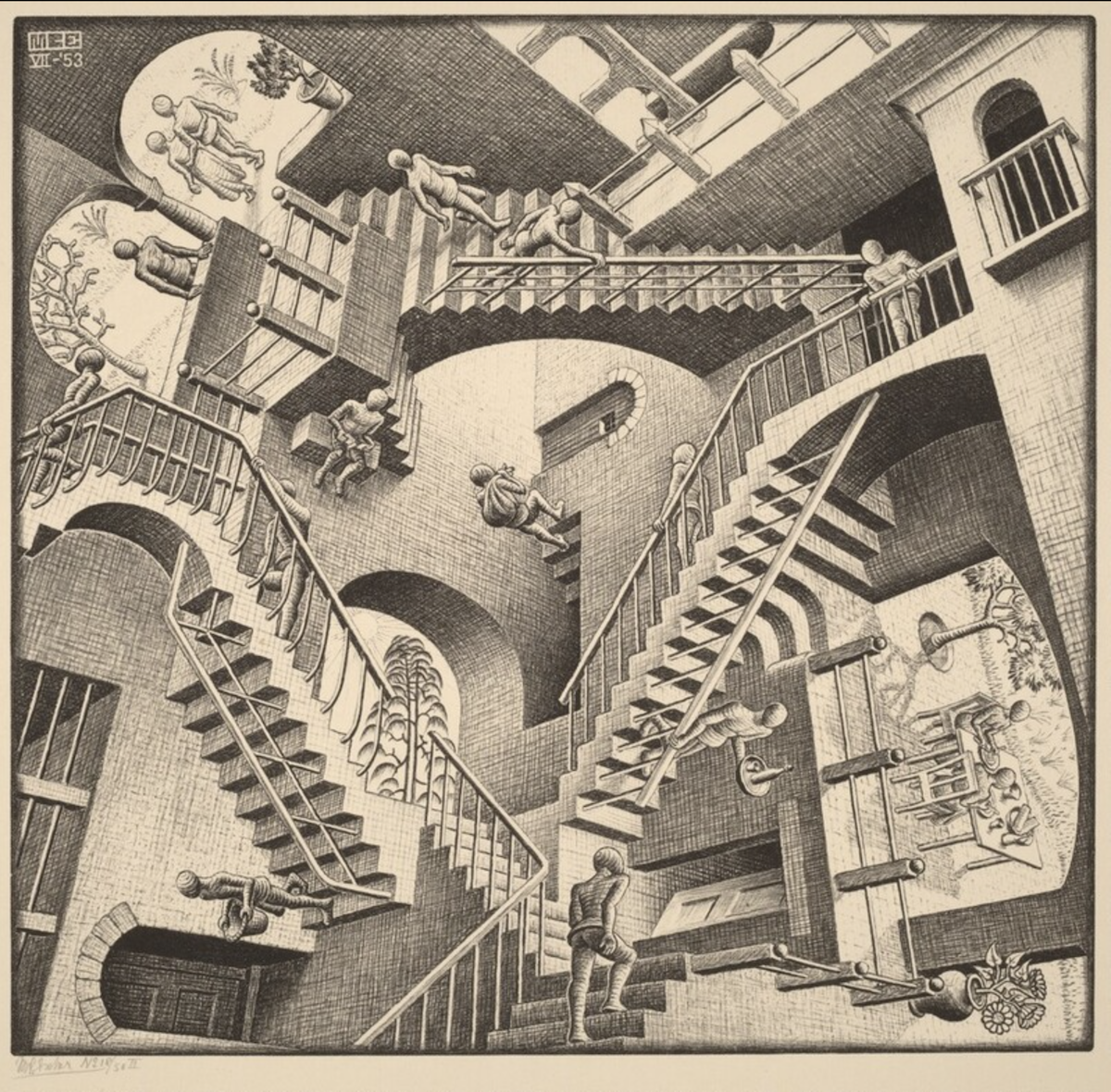
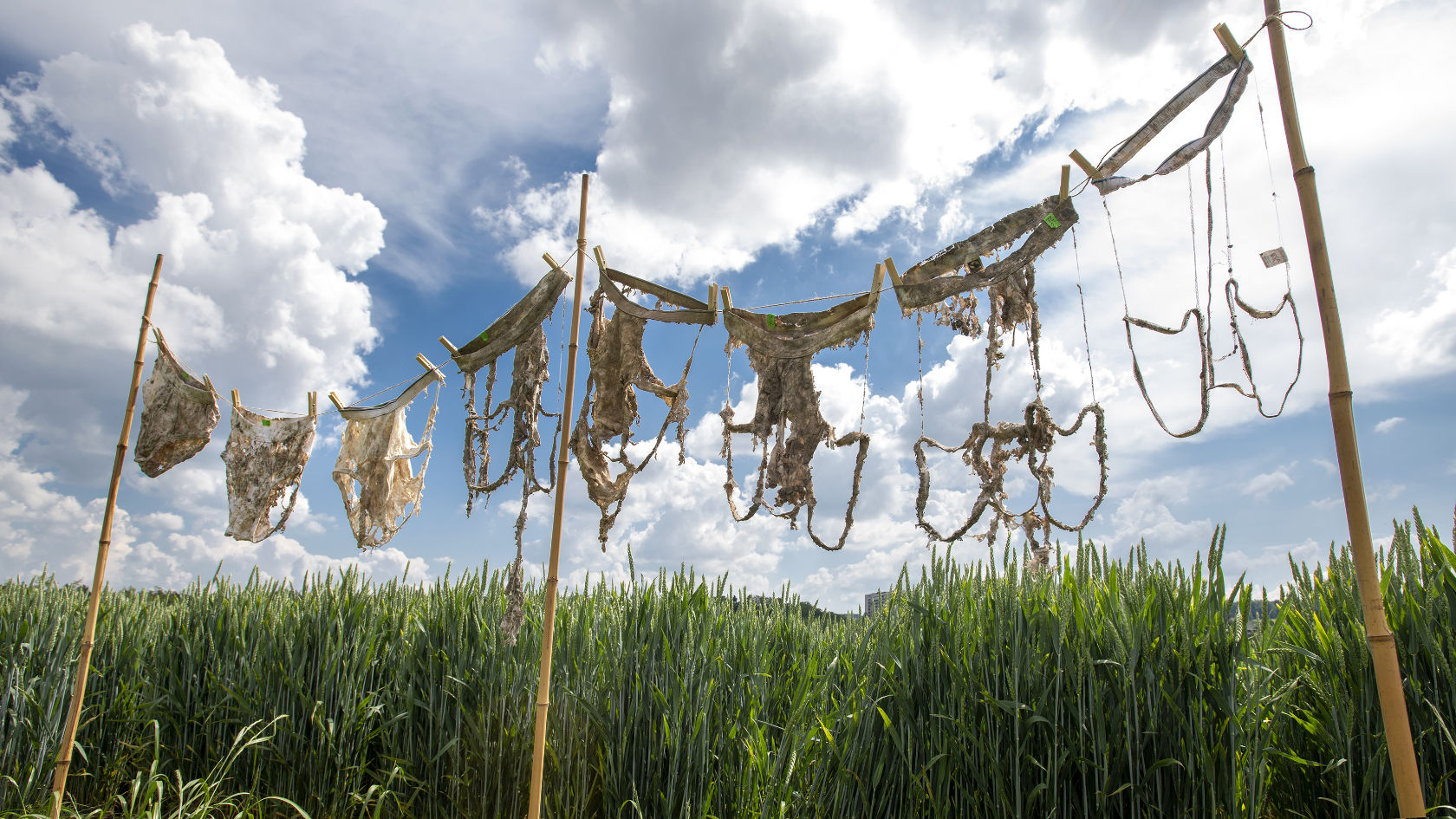
Some photos: Public domain, Webb, paintings, nature.

There's a principle for this: Informational Advantage
Every company has a unique informational advantage that we seek to harness it in our work. And there is no advantage like having reality on your side.
Inside Fenwick
I paused this newsletter for a while. We got busy. The good news is Eve’s part of the business—brand messaging and identities—has taken off. Half of our projects are now that. It’s been a natural evolution.
In the early days, Fenwick just wrote. Then we added design. Then we added strategy. Now we’re firm on this process: To benefit from production, a company must have materials I and II in place.

Worth reading
My writers can only write with AI, help! My own. I hear this a lot now. It’s a symptom of distancing ourselves from the natural world.
Felicity stopped doomscrolling, started gardening. She is pursuing 'brands as plants' to its maximum logical conclusion.
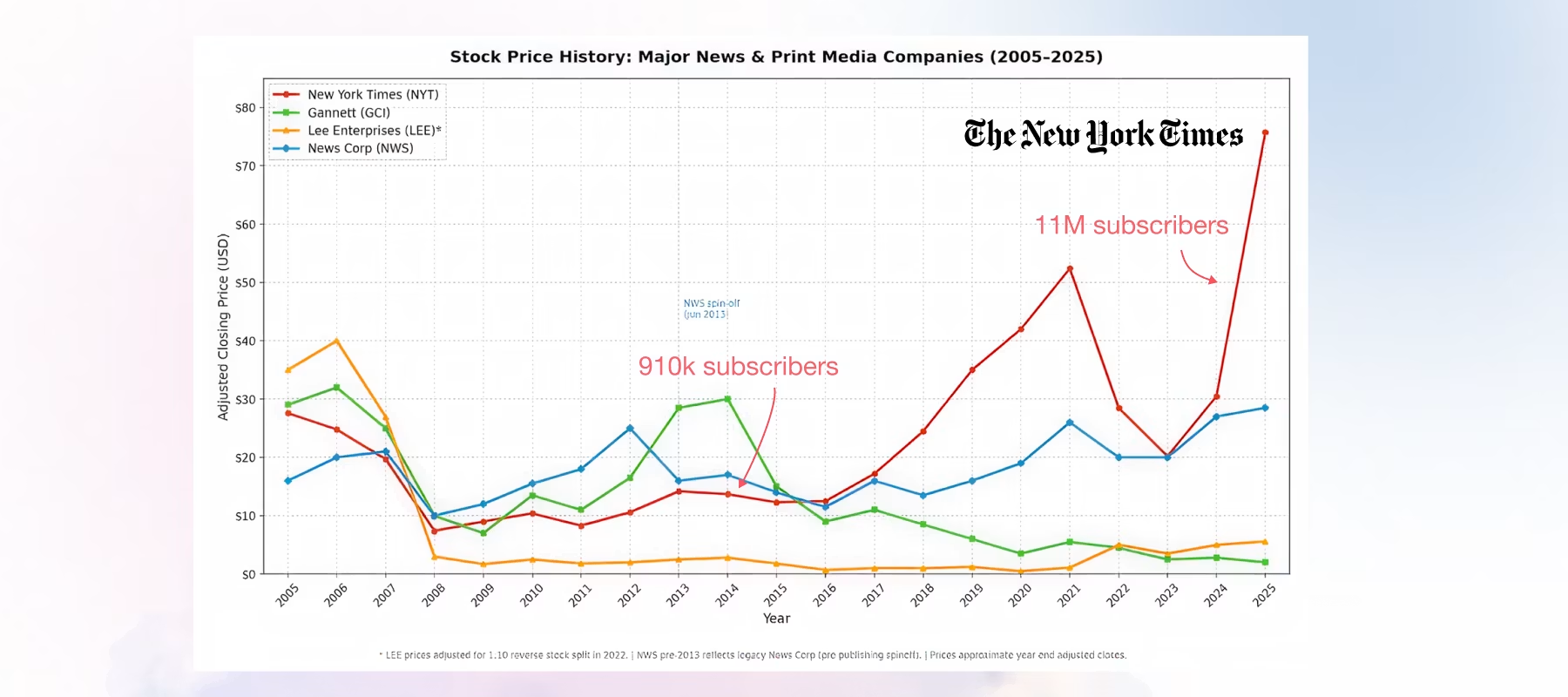
How the NYT transformed itself. Speaking of rooting yourself in something real, in 2014, The New York Times did a hard pivot to selling online subscriptions. Lots of papers tried. This one worked. It’s because the CEO said, “Come hell or high water, we’re going to keep investing in journalism.” She chose to stay planted in their ancestral soil.
A new leaf: Inside The New York Times Magazine redesign.
The best writing advice is often the weirdest. A nice extracurricular peek at what the fiction writers are up to. (It’s still writing, but so, so different.)
Incorruptible by design. This talk by Eric Ries, author of The Lean Startup, gets me fired up. We so obviously want a world where corporations contribute most of their profits to the public good.
LinkedIn changed its algorithm. That's sad: Now, AI curates everything.
People who love corporate BS are bad at their jobs. A study. Which we knew. But validating?
A primer on architect speak. Jargon knows no industrial borders.
Jerry McTigue’s writing harkens back to a time when copy carried all.
Birds
Martyn’s wild recordings. On a life spent capturing birdsongs.
Japan’s bullet trains are designed to mimic a kingfisher.
Searching for birds. A visual treat.
Long reads
The Lost City of Z. In my own small way, that article made me re-live this adventure.
Roadside attraction. At work, you often aren’t choosing your writing topic. Years of that can dull your sense of what’s actually interesting to you. This is a great example of writing just for fun.
Strange attractor factor
The AI hoax
Tasteslop. A new definition, with visuals.
Study: Execs are outsourcing their thinking.
AI economics make no sense. This crash is coming.
Nice websites
Enjoying this newsletter? Do share with others.